| Schülerberichte - 2013 |
 Saturday, December 28th, 2013
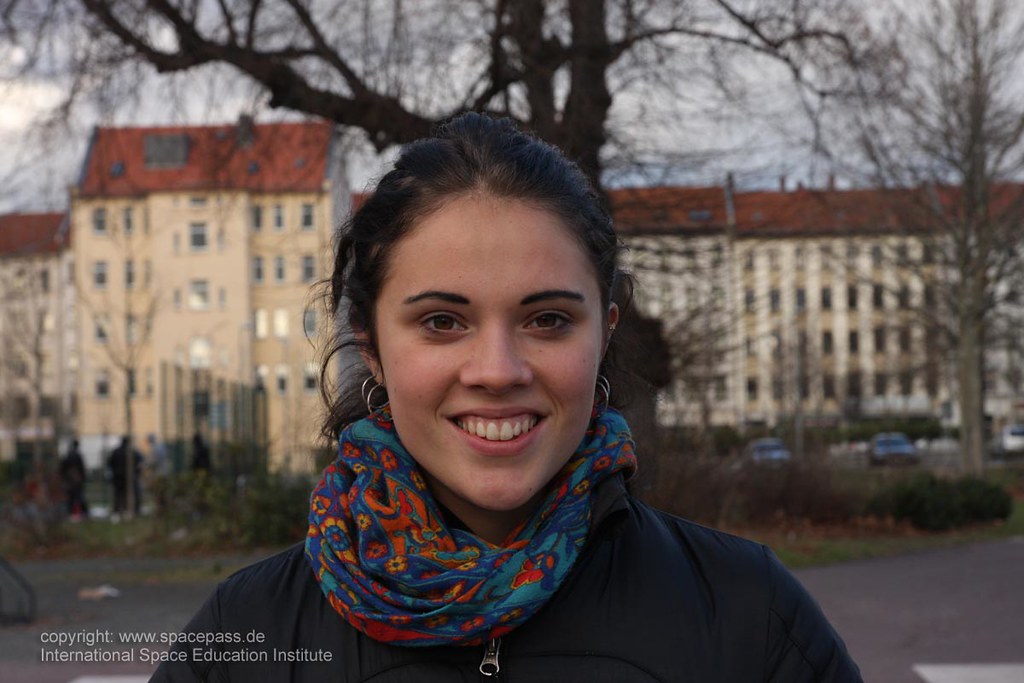
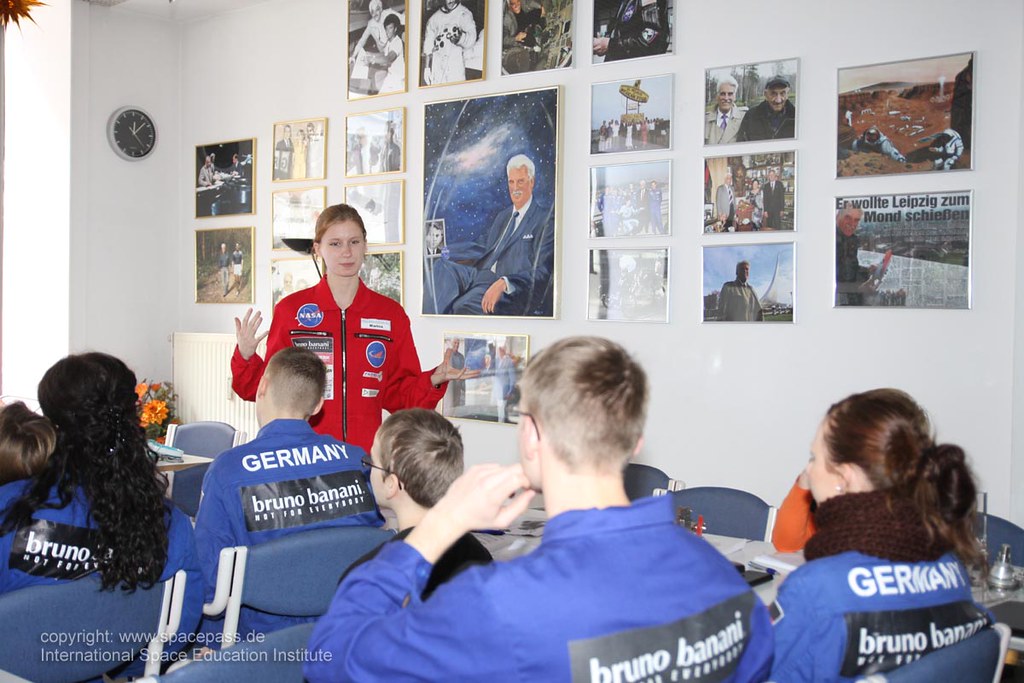
The workshop began at 10:00 in the morning with Nadin Roessler, a former Moonbuggy driver, presenting the team members with her reactions of last year’s competition. She spoke to the new team about what it takes to have the power to compete in Huntsville/Alabama and have high marks, what she learned through the process and inspired the workshop students to try as hard as they can and to believe that they can.
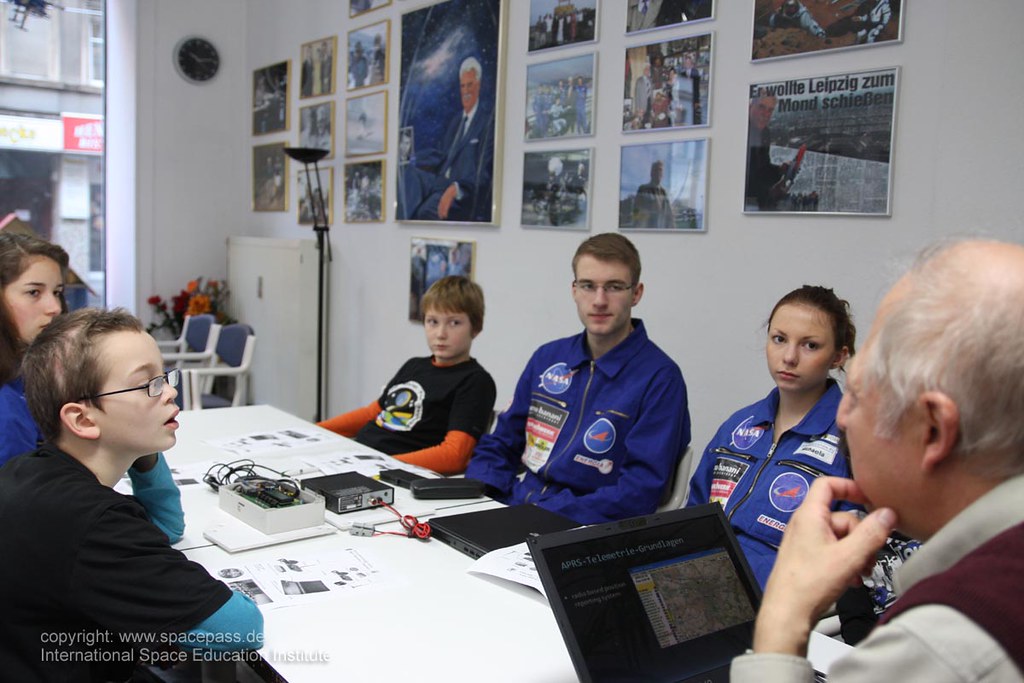
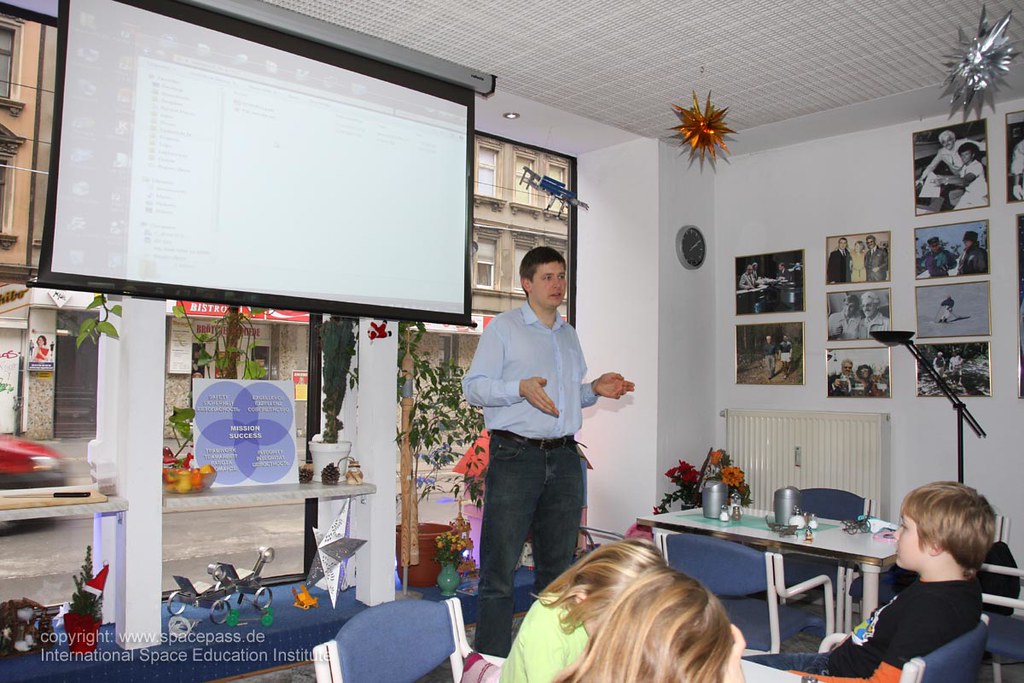
After Nadin’s presentation, we were visited by Nikita Yaskevitch and his collegue, IBM-engineers from Moscow. Nikita Yaskevitch presented the Youth Space Center of the Moscow Baumann University (MGTU) and its mission, goals and accomplishments. We were very lucky to have their presence. Each team member had the opportunity to introduce themselves to the engineers and see the career possibilities they have in the future if they continue with space education.
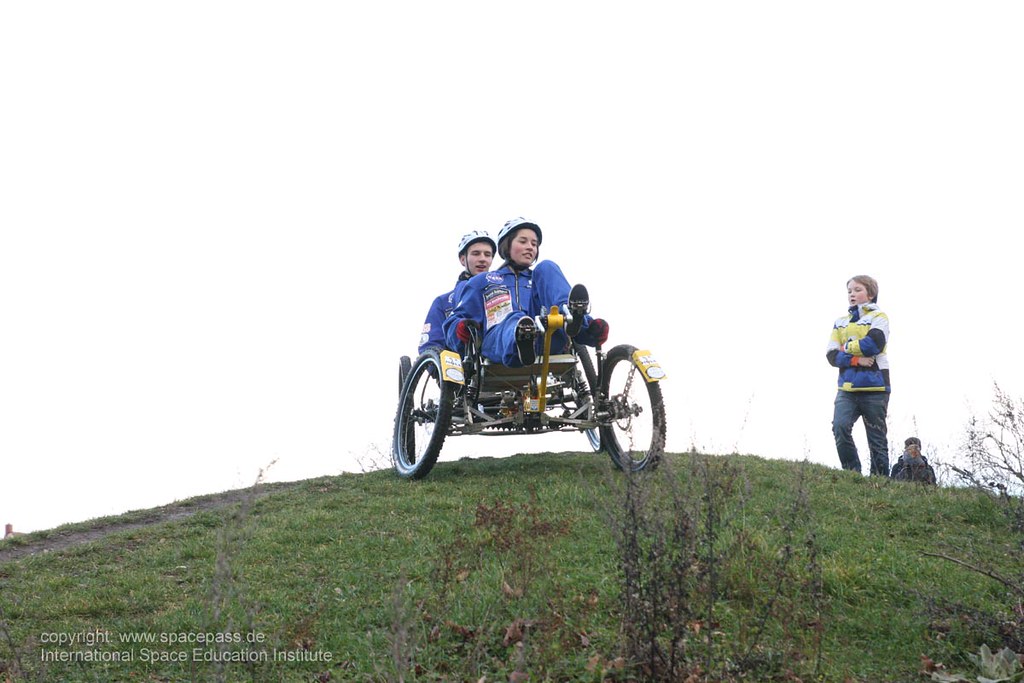
 After both presentations, we breaked for a spaghetti lunch with all alongside us. Once everyone’s stomachs were full, the students, Nikita his collegue, Evgeniy Zakutin --the working engineer at ISEI, myself, workshop leader--Ralf Heckel and his two daughters--Cosma and Tara, traveled to the nearby park for Rover training. We all tested what it was like to drive in the first seat of the Rover and to pedal in the second seat. We tested it in obstacles of sand and riding over a small concrete hill. Some students had had experience, others not. It was my first time in the Rover and I now know that it is definitely more difficult than it looks.
After the Rover training, around 4:00 p.m., I left with Evgeniy Zakutin to give a short tour of Leipzig to our two Russian guests. The students went to the institute and started to write their reports.
Sunday, December 29th, 2013
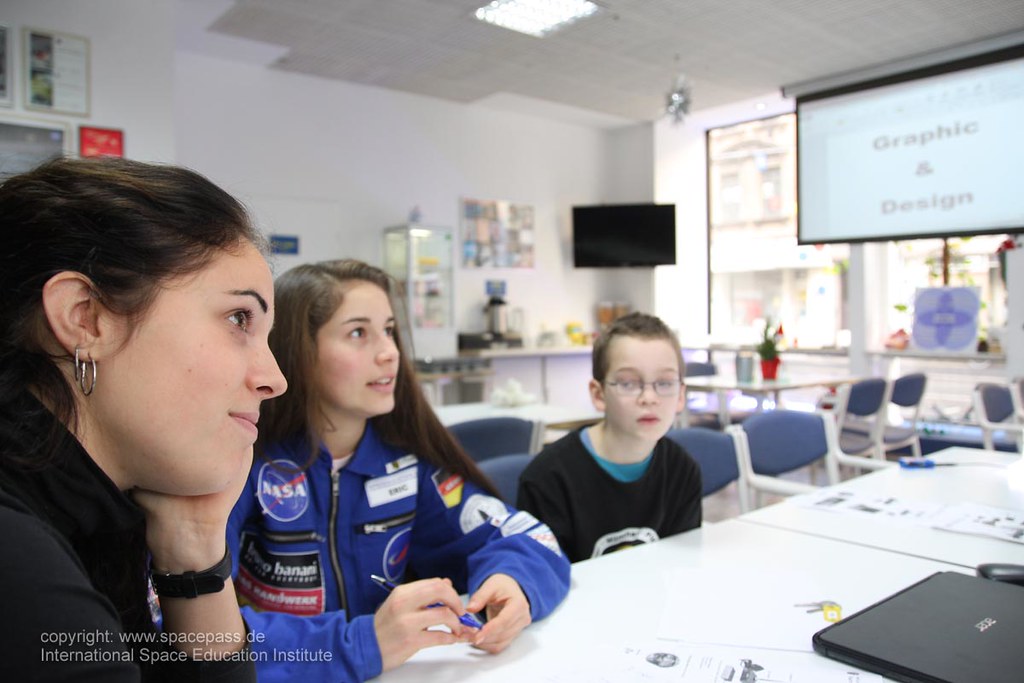 At my arrival to the workshop on Sunday, the telemetry unit finished. An electronic- and physic-teacher gave an overview about the Rover´s telemetry. I held a one hour graphic design lesson to teach the students how to create a team logo for each of their schools. I broke the design process into three parts.
Firstly, I asked what are the values of the team. Words like success, safety, teamwork, etc. were spoken across the three languages we were working in; Spanish, German and English. It made for a quite entertaining mix.
The next question was about which images could be created to represent each of these values. I explained how this part can be tricky. Often the values are complex ideas, but the resulting graphics need to be simple.
Thirdly, we created a cohesive image that could combine the three favorite values within the team patch circle.
I assigned the students to each brainstorm ten more values and ways to depict each. In the upcoming week, we will sit together to refine their sketches. Following the lesson, we sat together to eat a lunch of homemade chicken noodle soup.
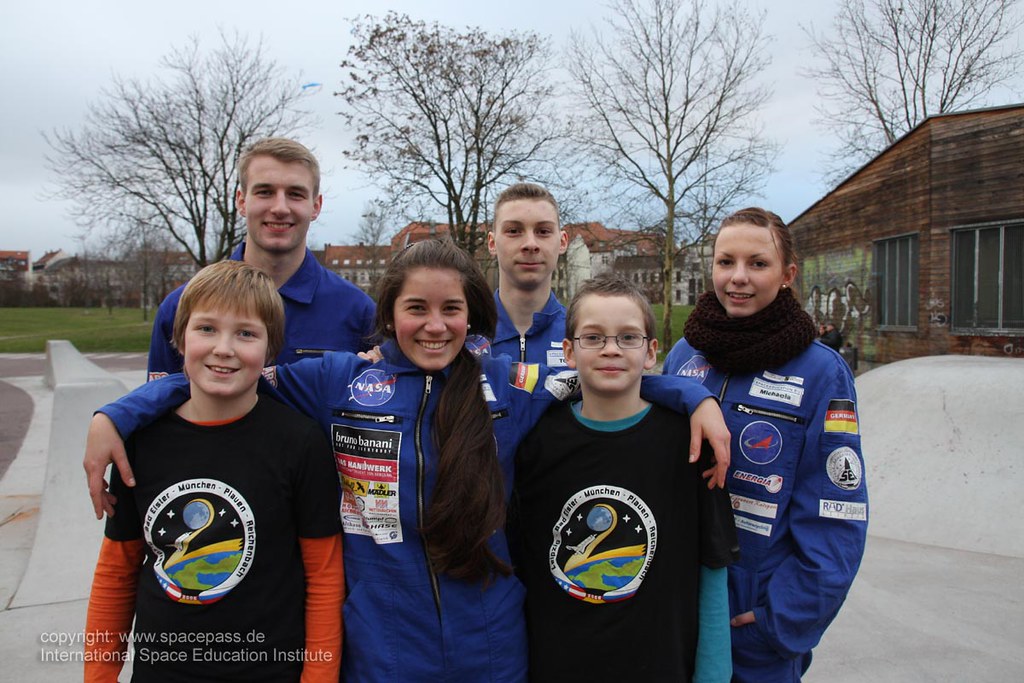
 After the meal, it was time for another set of training. This day included one more challenge than the previous Saturday. Each team member had to attempt to drive the Rover up a small, but steep grassy hill. We learned that in order to achieve a goal like this, the drivers have to start with a lot of power. With each drive, the team understood more about how the Rover works and increased their individual skill levels.
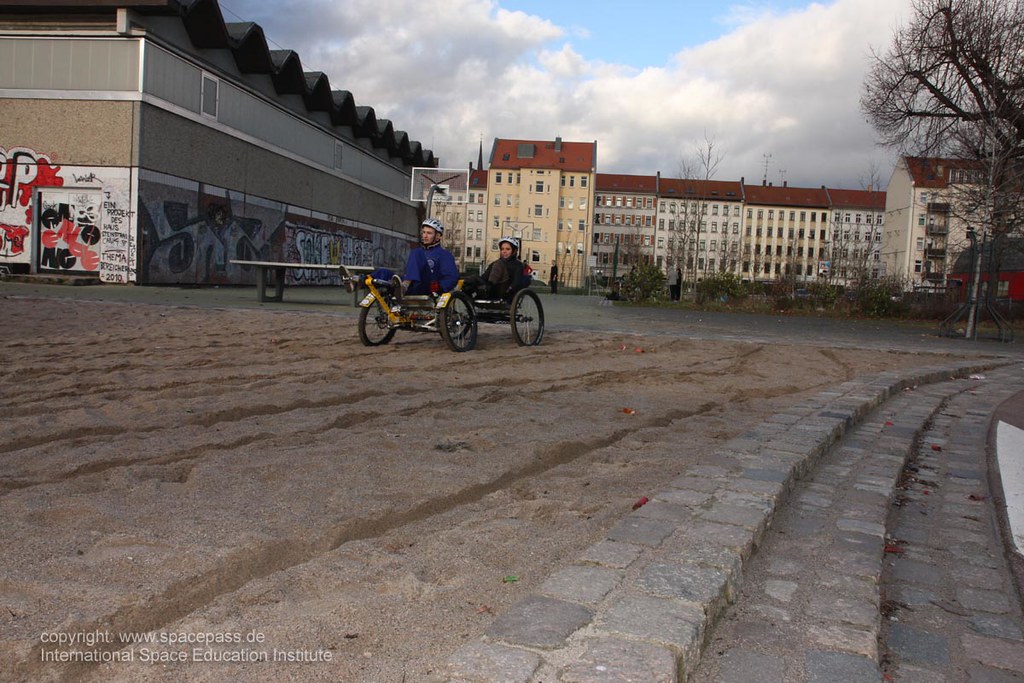
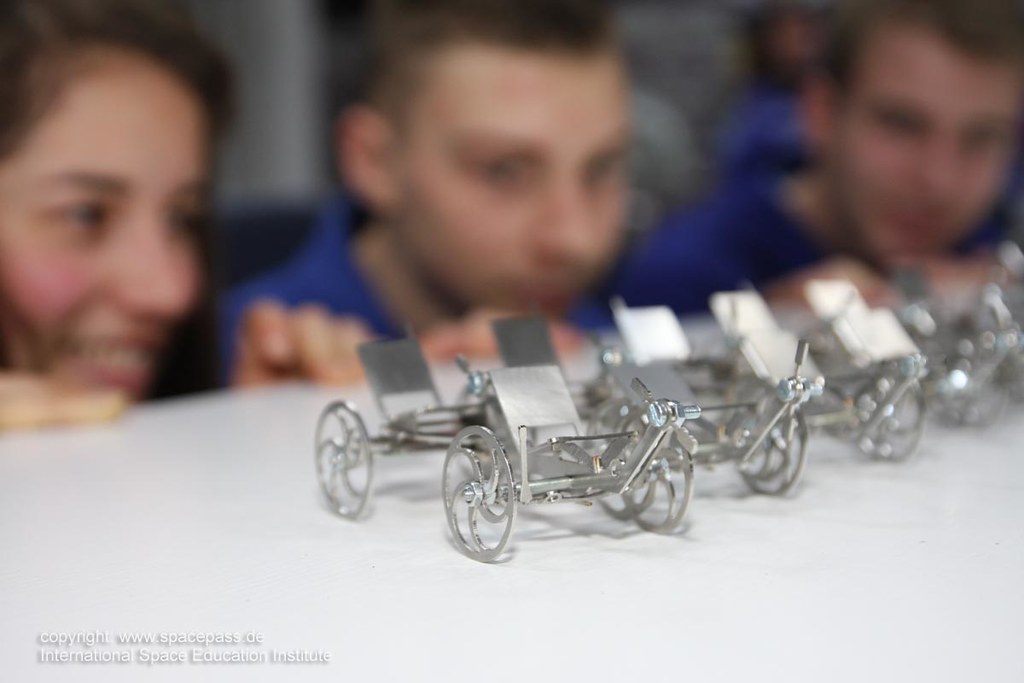
 Around 3:00 p.m., we returned to the institute to build “mini Rovers.” Tobias Meier introduced to the class how to build it, then Ralf continued with more detailed instructions. Each student and myself were given our own metal Rover dye-cut to de-construct and build into a functioning mini Rover. Firstly we had to cut and round screws that we would later use for the axles. Then we followed the mini Rover manual for step-by-step image instructions.
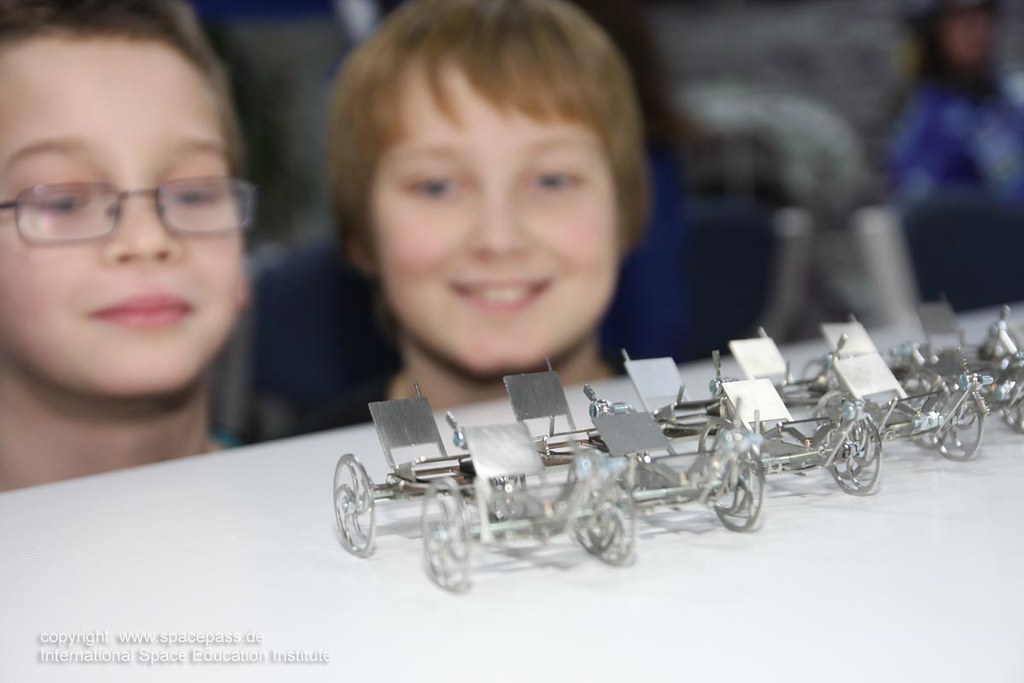
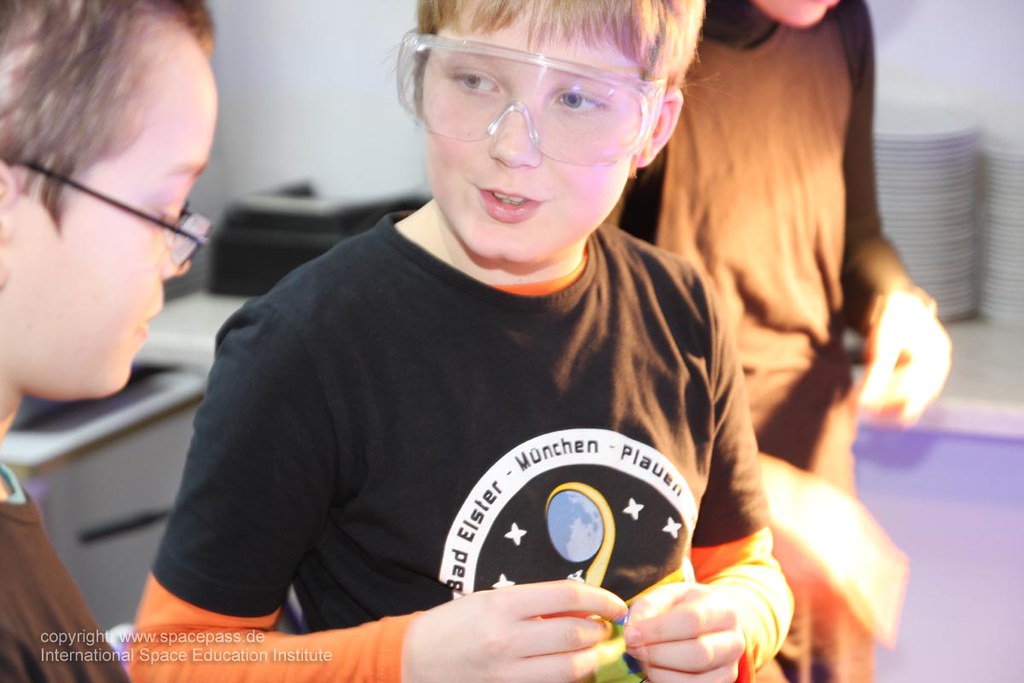 Following the mini Rover construction, I recorded a video of Tobias teaching how to build the mini Rover in German, Lennart Lederer teaching it in English and Araceli Zeller teaching it in Spanish. It is important for the students to not only know how to build and develop the Rover, but also to be able to move forth and teach how to build the Rover. This creates thorough understanding.
The weekend workshop consisted of several, interlinking aspects. The technical/engineering side and the physical side were tackled equally. The students can only succeed in the physical race if each member understands how the wheels are affixed, what parts are moving exactly when the driver steers, and so forth. The training in the park is also important. It builds muscle memory for driving the Rover and it also helps them to understand why the Rover is designed as it is.

 At the last 3rd day the students learned more about sponsoring, presswork and marketing. Ralf drove with them to several companies and explained them how to collect sympathie and donators money.
I look forward to seeing the further development and successes in each of the Team Germany members.
|
Dimanche, 29 Décembre 2013 18:44 | Écrit par Lennart Lederer und Araceli Zeller |
There are no translations available.
Und jetzt gehen wir Abendbrot essen. Lennart Lederer, Araceli Loreley Michell Zeller Fotogalerien:
Jeudi, 26 Décembre 2013 13:29 | Écrit par Ralf Heckel |
There are no translations available. zur Veröffentlichung am 27.12.2013 Vor einem Jahr verstarb der NASA-Wissenschaftler Prof. Dr. Jesco von Puttkamer im Alter von 79 Jahren. Der dienstälteste Mitarbeiter der US-Raumfahrtbehörde erlag am 27.12.2012 in seiner Heimat in Washington DC nach 3-tägiger Krankheit einem grippalen Infekt. Er hinterließ seine Witwe Ursula.
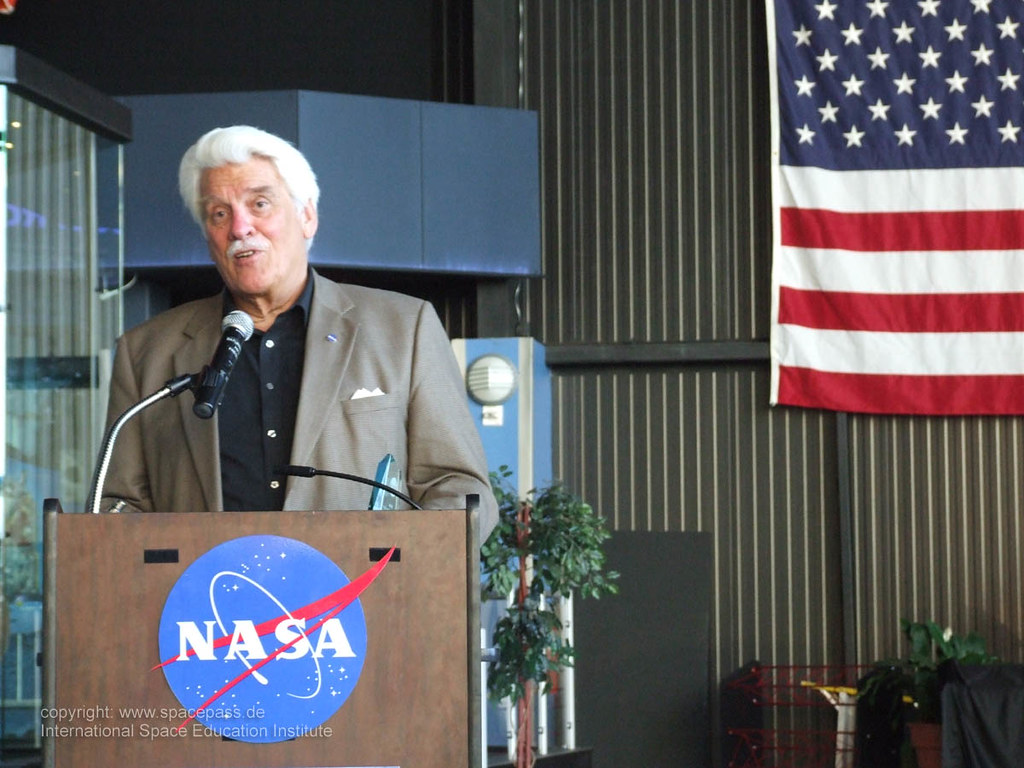
Von Puttkamer war als Buchautor, Redner und TV-Gast seit den 60er Jahren auch in Deutschland nicht mehr wegzudenken. Die komplette Entwicklung seit Apollo über Skylab, den Space Shuttle, ISS bis zur strategischen Vorbereitung der bemannten Marslandung war sein Leben und Vermächtnis bei NASA und für die Jugend. Verdienste erwarb sich von Puttkamer in den USA vor allem durch seine Vermittlertätigkeit zur ESA und russischen Raumfahrt. Die Liste der Auszeichnungen reicht weit. So erhielt der einstige Diplomingenieur von Puttkamer u.a. die Ehrendoktorwürde, eine Honorarprofessur, wurde 2008 bedeutendster Deutsch-Amerikaner und man benannte einen Asteroiden nach ihm. Vor allem aber förderte der NASA Wissenschaftler, der selbst keine Kinder hatte, die Jugend auf ihrem Weg in die Wissenschaft. NASA veranstaltete am 4. Februar 2013 eine Gedenkfeier im Namen des Ingenieurs, Wissenschaftlers und Visionärs und lud im April 2013 eine 20-köpfige Schüler- und Unternehmerdelegation aus Deutschland zu einer umfangreichen Exkursion im Namen des Wissenschaftlers ein. Am 22. September 2013, seinem 80. Geburtstag, gründeten internationale Kollegen und Freunde in seiner Geburtsstadt Leipzig die "Jesco von Puttkamer Gesellschaft e.V." und stifteten an seinem Leipziger Geburtshaus sowie dem ehemaligen Wohnhaus auf dem Monte Sano in Huntsville/Alabama je eine Gedenktafel. Die Gesellschaft, deren Eintragung diesertage im Amtsgericht Leipzig abgeschlossen wird, stiftet ab 2014 jährlich einen Förderpreis für junge Wissenschaftler im Schul- und Studentenalter. Ab September 2014 werden in Leipzig die jährlichen "Jesco von Puttkamer Lesungen" stattfinden. Internationale Wissenschaftler und Kollegen von Puttkamers informieren die junge Generation und Interessierte über die Zukunft der Raumfahrt und ihren Nutzen für den Fortschritt. Die Gesellschaft hält das "von Puttkamersche Kontaktnetzwerk der Raumfahrt" lebendig, ehrt das Erbe des Wissenschaftlers, fördert den naturwissenschaftlichen Nachwuchs und ist Ansprechpartner zur Vergabe von Namensgebungen, Preisen und Auszeichnungen in dessen Namen. Der "Jesco von Puttkamer International Team Award" ist auf 1000 US$ dotiert und wird ab dem 12. April 2014 auf der "NASA Rover Challenge" in der Raketenstadt Huntsville international engagierten Wettbewerbsteams überreicht. Die Prüfungskommission für diesen Preis wird vom International Space Education Institiute in Leipzig, einem durch den Wissenschaftler seit 2003 aufgebauten Förderverein, gestellt.
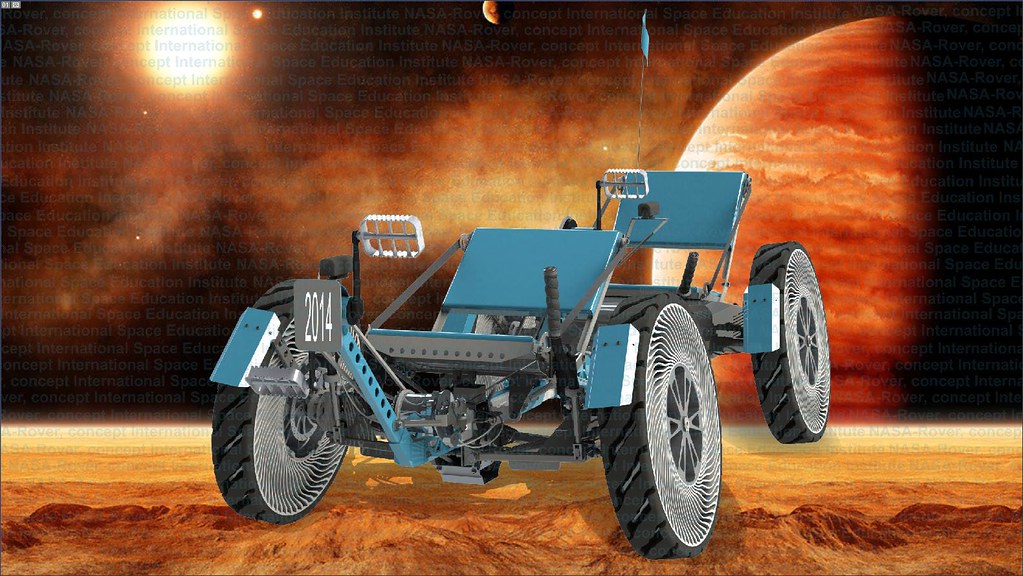
In Leipzig findet heute der digitale Rollout des ersten NASA Rovers im Namen des in Leipzig geborenen Wissenschaftlers statt. Spendenkonto: Konto 209981005 Quelle: Text: Ralf Heckel Kontakt: info at jvputtkamer.com
Vendredi, 11 Octobre 2013 17:00 | Écrit par Ralf Heckel |
There are no translations available. Huntsville/Alabama mehr Fotos: http://www.flickr.com/photos/spaceeducation/collections/72157632417603528/
Dimanche, 06 Octobre 2013 20:37 | Écrit par Ralf Heckel |
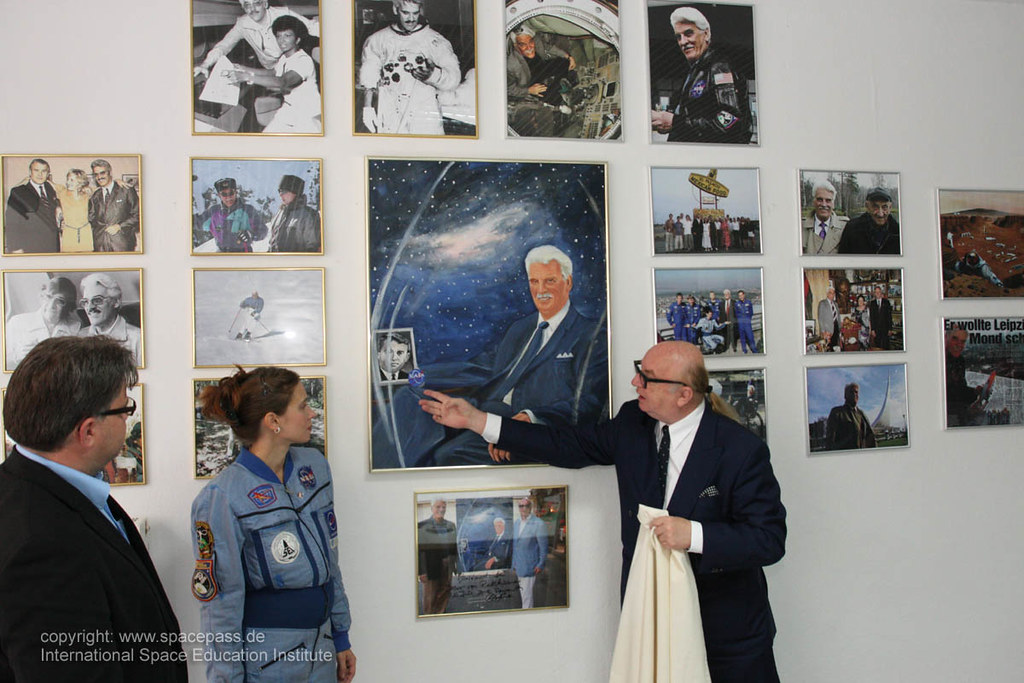
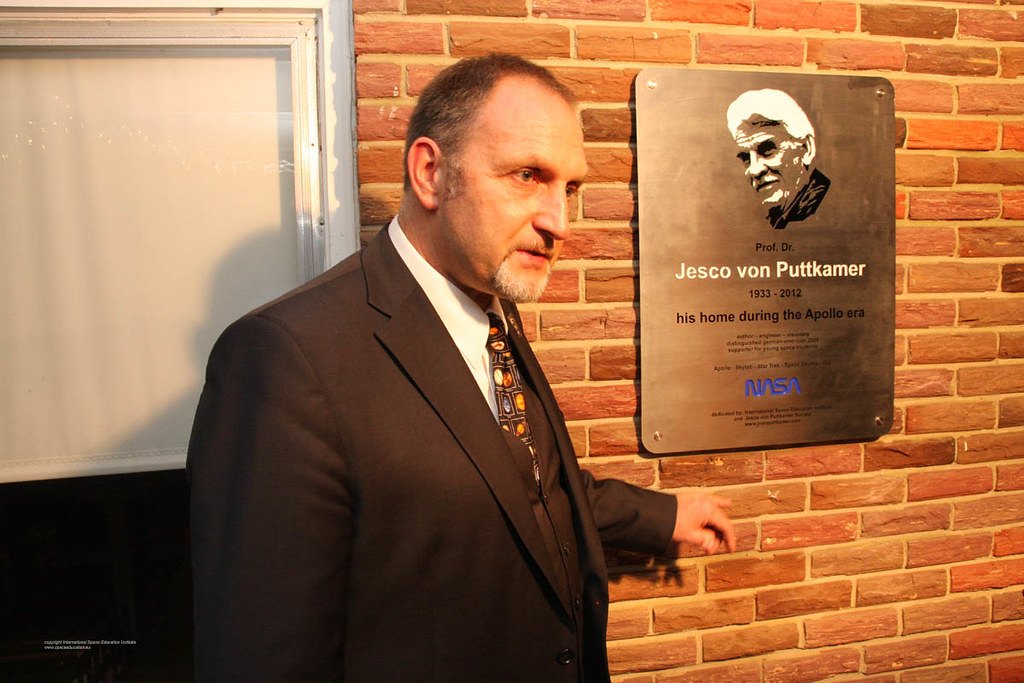
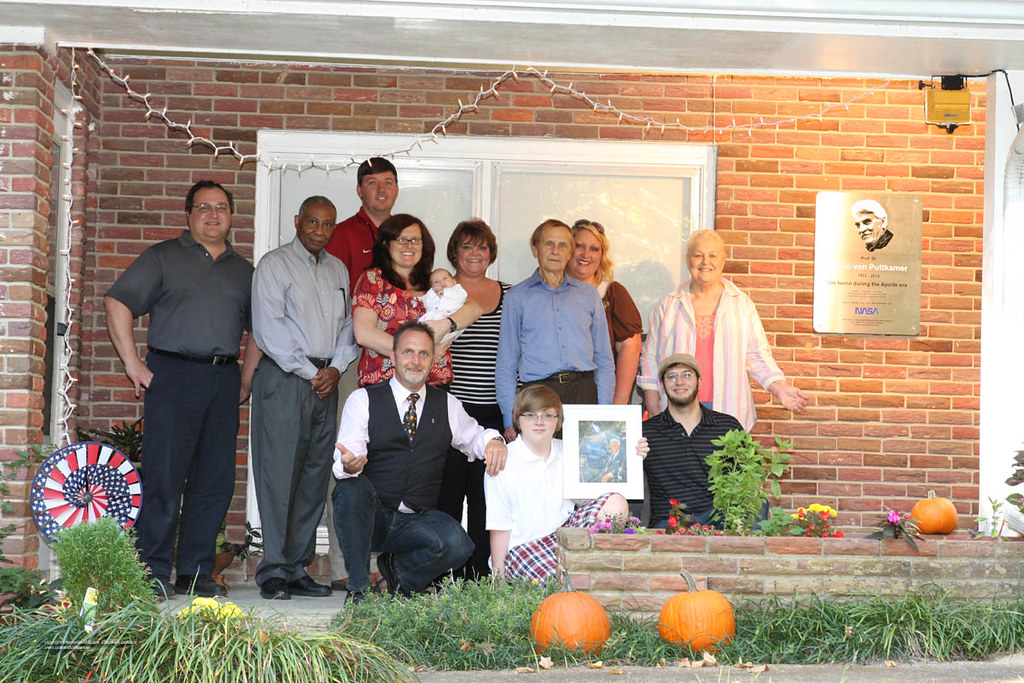
There are no translations available. Wohnhaus Jesco von Puttkamer´s Kontakt: info (at) jvputtkamer (dot) com Hiermit sind alle Freunde, Kollegen, Leser, Fans und geförderte Moonbuggy-Schüler des NASA-Wissenschaftlers "Prof. Dr. Jesco von Puttkamer" eingeladen. Es wird eine Gedenktafel am ehemaligen Wohnhaus aus der Apollo-Ära enthüllt. Dies ist die zweite Tafel nach der Einweihung am Geburtshaus des NASA-Wissenschaftlers in Leipzig/Germany am 24. September 2013.
Prof. Dr. Jesco von Puttkamer kam seit 2006 jährlich nach Huntsville/Al zurück und unterstützte die internationale Liga des NASA-Moonbuggy-Rennens. Treffen mit US- Schülern und internationalen Schülern an historischen Stätten des "von Braun Teams" in Huntsville wurden für viele unvergessen und ebneten neue Wege in die Zukunft. Die am 24. September 2013 gegründete "Jesco von Puttkamer Gesellschaft" besteht aus engen Freunden und Kollegen aber auch internationalen Studenten des Wissenschaftlers. Diese Tafel ist dem Andenken an einen großen Wissenschaftler gewidmet, der es verstand, die Welt der Raumfahrt zu verbinden. Verdienste/Lebensleistung Prof. Jesco von Puttkamer´s Kein Wissenschaftler prägte unsere Gegenwart und Zukunft so nachhaltig, wie Prof. Jesco von Puttkamer durch seine sich über 5 Jahrzehnte ziehenden Werke zwischen Science Fiction und Science Reality - zwischen Vision und werdender Wirklichkeit. 1961 Ingenieuersdiplom für Maschinenbau, TU Aachen Links:Fotos-Leipzig-Gedenkfeier-Nachruf |